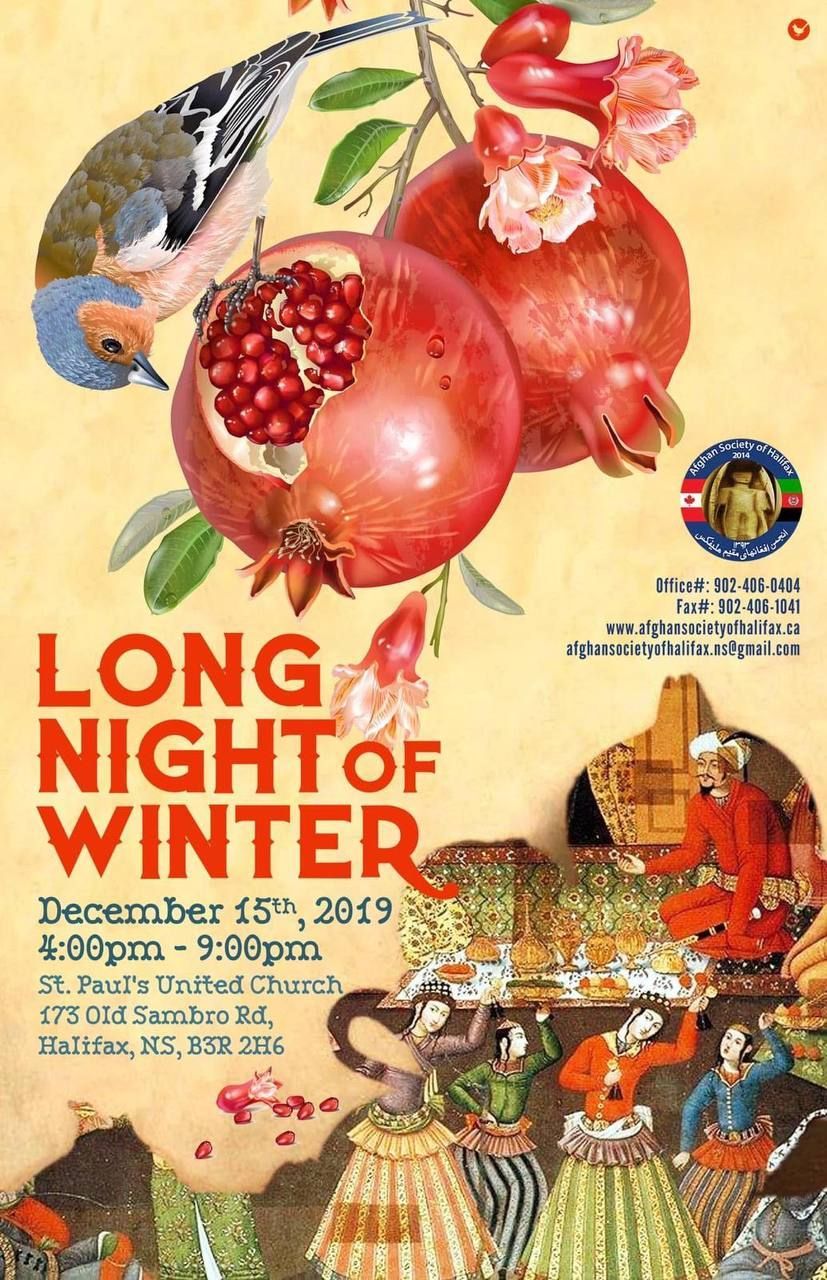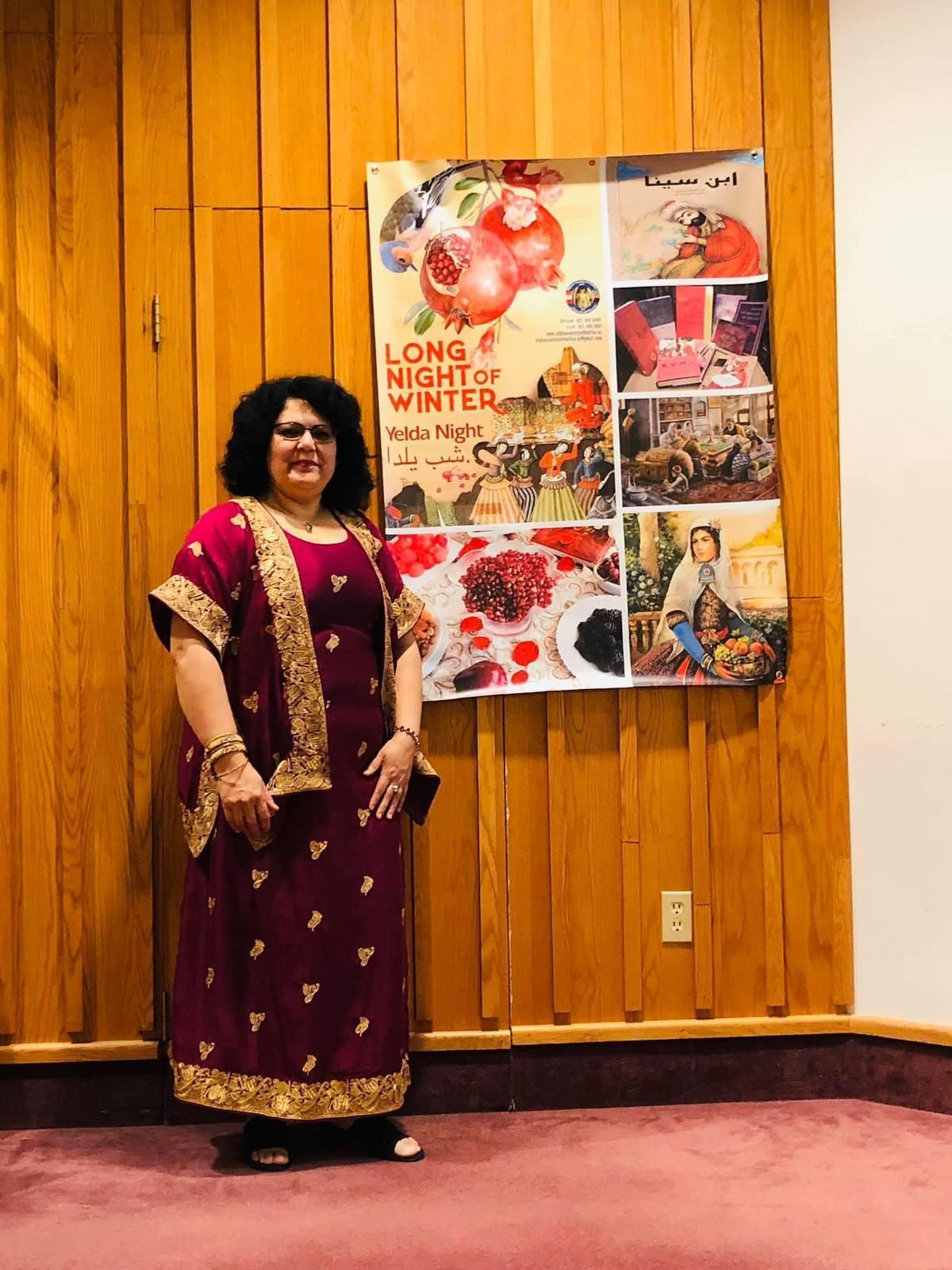
Yalda Night 2019
We would like to share with you some meaningful information about Yalda Night (Shab-e Yalda), one of the oldest and most cherished cultural celebrations in Persian-speaking communities, including Afghanistan.
Yalda Night marks the last night of autumn and the longest night of the year. The following day is known as the beginning of the “fortieth day of winter” (Chelleh). This special night has been celebrated for thousands of years—its roots tracing back more than 7,000 years—symbolizing the enduring connection between people, nature, and seasonal change.
Historically, regions such as Balkh in Afghanistan played an important role in early civilization, where people began observing time and seasonal transitions. For ancient communities, especially farmers, Yalda represented hope, as it marked the gradual return of longer days and sunlight. It was seen as the victory of light over darkness, a powerful and uplifting symbol.
The word “Yalda” itself comes from the Syriac language and means “birth” or “rebirth.” It refers to the rebirth of the sun, as daylight begins to increase after this longest night. In ancient traditions, this moment carried deep spiritual meaning, representing renewal, energy, and the triumph of brightness.
Yalda Night is traditionally celebrated with family gatherings and joyful customs. People stay awake late into the night, sharing stories, laughter, and warmth. Common traditions include lighting candles or fires, enjoying seasonal fruits such as watermelon, pomegranate, grapes, and apples, and sharing sweets and nuts. In many gatherings, poetry holds a special place, and people often read verses from the famous poet Hafez, seeking inspiration and reflection for the future.
Over time, Yalda has remained a symbol of unity, hope, and cultural identity. Although celebrations may vary across regions, the essence of the night—togetherness and optimism—remains the same. Its influence can even be seen in other winter celebrations around the world.
In conclusion, Yalda Night is not only a celebration of the longest night but also a reminder of resilience, renewal, and the enduring light that follows darkness. It continues to bring people together and strengthen cultural bonds across generations.
Thank you for taking the time to read about this beautiful tradition.
شب یلدا ۲۰۱۹
مایلیم اطلاعاتی دربارهی یکی از کهنترین و ارزشمندترین سنتهای فرهنگی مردمان فارسیزبان، بهویژه افغانستان، با شما در میان بگذاریم. این سنت «شب یلدا» یا «شب چله» نام دارد.
شب یلدا به عنوان آخرین شب پاییز و طولانیترین شب سال شناخته میشود و فردای آن آغاز «چلهی بزرگ زمستان» است. این شب از هزاران سال پیش، با پیشینهای بیش از ۷۰۰۰ سال، در میان مردم این سرزمینها گرامی داشته میشود و نشاندهندهی پیوند عمیق انسان با طبیعت و تغییر فصلها است.
از نظر تاریخی، مناطقی مانند بلخ در افغانستان از مراکز مهم تمدنهای کهن به شمار میرفتند، جایی که مردم برای نخستین بار به شناخت زمان و فصلها پرداختند. برای مردمان باستان، بهویژه کشاورزان، شب یلدا نماد امید بود، زیرا پس از آن روزها به تدریج بلندتر میشود. از این رو، یلدا نماد پیروزی روشنایی بر تاریکی به شمار میآید.
واژهی «یلدا» ریشه در زبان سریانی دارد و به معنای «زایش» یا «تولد» است. این نامگذاری به مفهوم زایش دوبارهی خورشید اشاره دارد، زیرا از این شب به بعد، روشنایی روز افزایش مییابد. در باورهای کهن، این شب نشانهی تجدید حیات، انرژی و غلبهی نور بر تاریکی بوده است.
مردم شب یلدا را با گردهماییهای خانوادگی و آیینهای شاد گرامی میدارند. آنها تا دیروقت بیدار میمانند، گفتوگو میکنند و لحظات خوشی را در کنار یکدیگر سپری میکنند. از رسوم این شب میتوان به روشن کردن شمع یا آتش، خوردن میوههایی مانند هندوانه، انار، انگور و سیب، و نیز صرف شیرینی و خشکبار اشاره کرد. همچنین خواندن اشعار، بهویژه گرفتن فال از دیوان حافظ، از بخشهای مهم این شب به شمار میرود.
با گذشت زمان، شب یلدا همچنان به عنوان نمادی از همبستگی، امید و هویت فرهنگی باقی مانده است. هرچند شیوههای برگزاری آن در مناطق مختلف متفاوت است، اما روح اصلی این شب که همان باهمبودن و امید به آینده است، همواره حفظ شده است. حتی میتوان تأثیر آن را در برخی جشنهای زمستانی دیگر فرهنگها نیز مشاهده کرد.
در پایان، شب یلدا تنها یک جشن نیست، بلکه یادآور پایداری، نو شدن و نوری است که پس از تاریکی فرا میرسد. این شب همچنان باعث نزدیکی دلها و تقویت پیوندهای فرهنگی میان نسلها میشود.