Eid Ramazan in Afghanistan
In Afghanistan, Eid Ramazan is celebrated as both a religious and cultural tradition. People observe fasting for one month during Ramadan, abstaining from food and drink from dawn to sunset. At the end of this sacred month, the community comes together to celebrate Eid with great joy and enthusiasm.
While fasting is primarily a spiritual practice, many people also recognize its health benefits, such as improving eating habits, promoting discipline, and sometimes contributing to weight loss and a lighter feeling after the month ends.
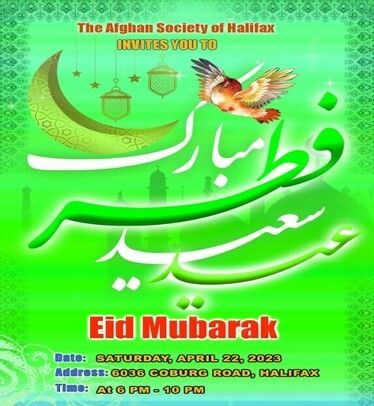
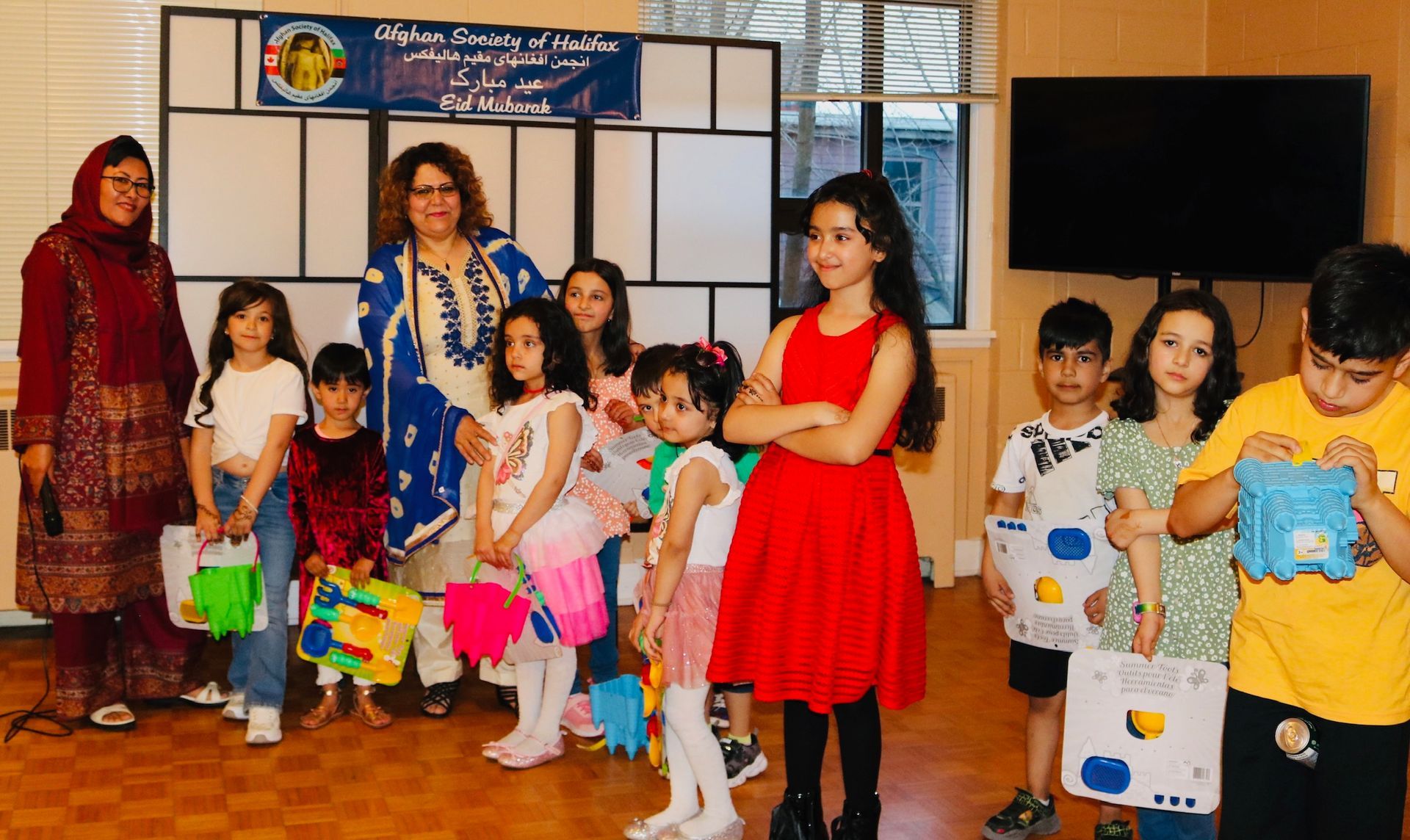
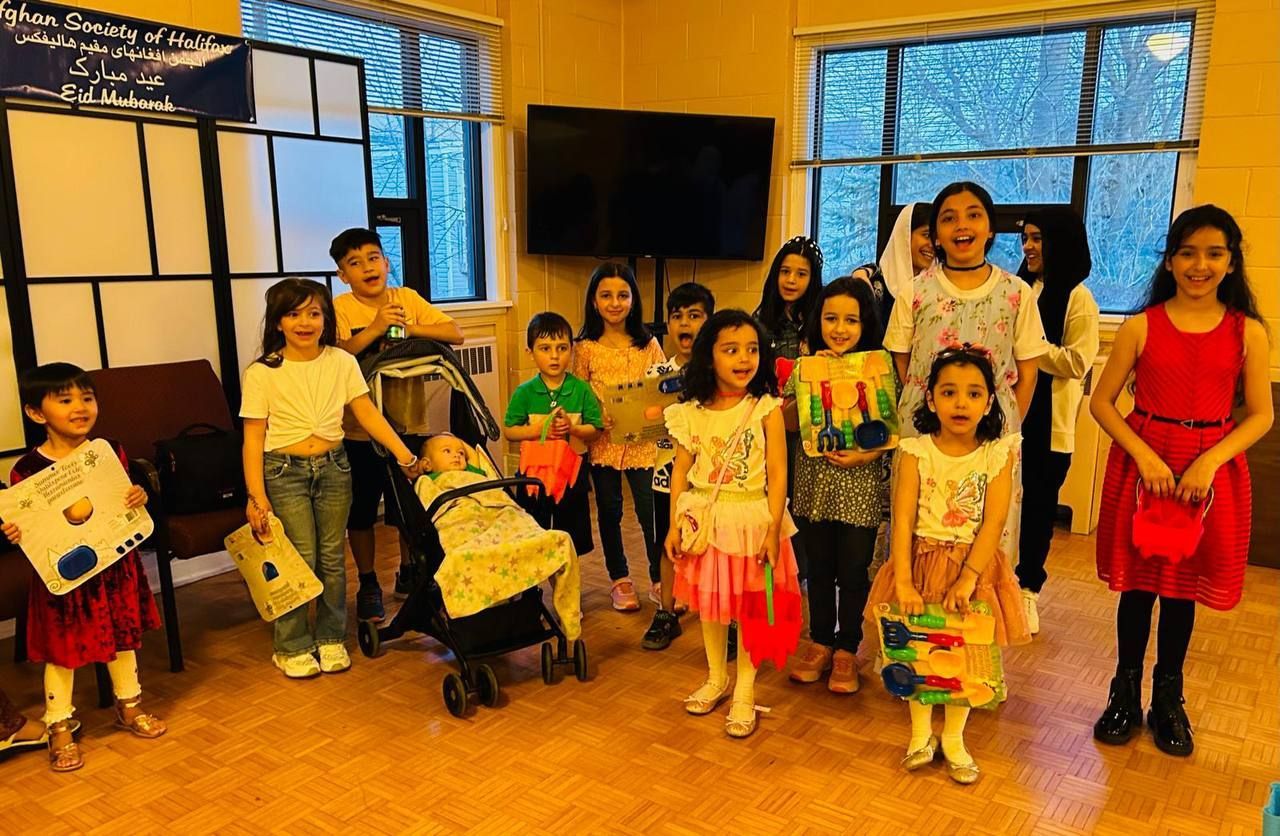
Eid is also a time for social connection and cultural celebration. Families and friends gather to visit one another, share meals, and strengthen relationships. It is common for people to wear new clothes, enjoy traditional foods and drinks, and attend festive events. Music and entertainment, including concerts by popular singers, are also part of the celebrations in many communities.
Overall, Eid in Afghanistan is a meaningful occasion that blends faith, culture, and community, bringing people together in a spirit of happiness, generosity, and unity.
History of Eid al-Fitr
Eid al-Fitr, often called the “Festival of Breaking the Fast,” marks the end of Ramadan, the ninth month of the Islamic lunar calendar. Its origins date back to the 7th century during the time of Prophet Muhammad.
According to Islamic tradition, after the migration (Hijrah) of Prophet Muhammad from Mecca to Medina in 622 CE, he observed that people celebrated existing local festivals. He then established two significant Islamic celebrations: Eid al-Fitr and Eid al-Adha, giving them deeper spiritual meaning rooted in worship, gratitude, and community.
The practice of fasting during Ramadan was established following the revelation of the Qur’an, which Muslims believe was revealed to Prophet Muhammad over time. Ramadan became a sacred period of fasting, prayer, and reflection, observed by Muslims as an act of obedience and devotion to Allah.
Eid al-Fitr is observed on the first day of Shawwal, the month following Ramadan, and its date is determined by the sighting of the new moon. The celebration begins with a special congregational prayer (Salat al-Eid), followed by charitable giving known as Zakat al-Fitr, ensuring that all members of the community can participate in the festivities.
Over time, Eid al-Fitr has grown into a rich cultural and religious celebration. It is a time of unity, forgiveness, and generosity, when Muslims gather with family and friends, share festive meals, wear new or clean clothes, and exchange greetings such as “Eid Mubarak.”
Today, Eid al-Fitr remains one of the most important holidays in Islam, symbolizing the successful completion of a month of fasting, spiritual growth, and renewed faith.
عید رمضان در افغانستان
عید رمضان در افغانستان بهعنوان یک سنت مذهبی و فرهنگی گرامی داشته میشود. مردم در طول ماه رمضان به مدت یک ماه روزه میگیرند و از سپیدهدم تا غروب از خوردن و آشامیدن خودداری میکنند. با پایان این ماه مقدس، مردم با شادی و شور فراوان گردهم میآیند و عید را جشن میگیرند.
گرچه روزهداری بیشتر یک عمل معنوی است، بسیاری از مردم به فواید صحی آن نیز توجه دارند؛ از جمله بهبود عادات غذایی، تقویت نظم و انضباط، و گاهی کاهش وزن و احساس سبکی پس از پایان ماه رمضان.
عید همچنین زمانی برای ارتباطات اجتماعی و جشنهای فرهنگی است. خانوادهها و دوستان به دیدار یکدیگر میروند، غذاهای سنتی را با هم شریک میسازند و روابط خود را تقویت میکنند. پوشیدن لباسهای نو، لذت بردن از غذاها و نوشیدنیهای محلی، و شرکت در برنامههای شاد از رسوم رایج این روزها است. موسیقی و سرگرمی، از جمله کنسرتهای هنرمندان محبوب، نیز بخشی از جشنها در بسیاری از جوامع میباشد.
بهطور کلی، عید در افغانستان مناسبت مهمی است که دین، فرهنگ و همبستگی اجتماعی را در هم میآمیزد و مردم را در فضای شادی، سخاوت و همدلی گردهم میآورد.
تاریخچه Eid al-Fitr
Eid al-Fitr که به «عید شکستن روزه» نیز معروف است، پایان Ramadan، ماه نهم تقویم قمری اسلامی را نشان میدهد. ریشههای این عید به قرن هفتم میلادی و زمان Prophet Muhammad بازمیگردد.
بر اساس سنت اسلامی، پس از هجرت Prophet Muhammad از مکه به مدینه در سال ۶۲۲ میلادی، ایشان مشاهده کردند که مردم جشنهایی را برگزار میکنند. سپس دو عید مهم اسلامی، یعنی عید فطر و Eid al-Adha را پایهگذاری کردند و به آنها معنای عمیق معنوی شامل عبادت، شکرگزاری و همبستگی اجتماعی بخشیدند.
روزهداری در ماه رمضان پس از نزول Qur’an بر Prophet Muhammad واجب شد. مسلمانان باور دارند که قرآن بهتدریج نازل گردید و رمضان به عنوان زمانی برای عبادت، خودسازی و نزدیکی به خداوند اهمیت ویژهای پیدا کرد.
عید فطر در روز اول ماه شوال، پس از پایان رمضان، برگزار میشود و زمان دقیق آن با دیدن هلال ماه تعیین میگردد. این روز با نماز ویژه عید (نماز عید) آغاز میشود و با پرداخت زکات فطره ادامه مییابد تا افراد نیازمند نیز بتوانند در این جشن سهیم باشند.
در طول زمان، عید فطر به یکی از مهمترین جشنهای دینی و فرهنگی مسلمانان تبدیل شده است. این عید نماد وحدت، بخشش و مهربانی است؛ مردم با خانواده و دوستان گرد هم میآیند، غذاهای مخصوص تهیه میکنند، لباس نو یا تمیز میپوشند و با گفتن «عید مبارک» این روز را به یکدیگر تبریک میگویند.
امروزه، عید فطر یکی از بزرگترین اعیاد اسلامی در سراسر جهان است که نشاندهنده پایان یک ماه روزهداری، عبادت و رشد معنوی میباشد